Your Role in the Community
 Try Life in the UK
 As you settle into the diverse communities of the United Kingdom, understanding your role is essential.
- Values and Responsibilities
- Being a Good Neighbour
- Looking After the Environment
- Jury Service
- Helping in Schools
- School Governors and School Boards
- Supporting Political Parties
- Helping with Local Services
- Blood and Organ Donation
- Other Ways to Volunteer
- Youth Volunteering
Values and Responsibilities
Living in the UK comes with shared values and responsibilities that contribute to the well-being of the community. These values and responsibilities include to:
- Obey and respect the law
- Be aware of the rights of others and respect those rights
- Treat others with fairness
- Behave responsibly
- Help and protect your family
- Respect and preserve the environment
- Treat everyone equally
- Work to provide for yourself and your family
- Help others
- Vote in local and national government elections.
Being a Good Neighbour
Positive relationships with your neighbours are key to a harmonious community. Here's how to contribute:
- Introduce Yourself
- Offer Help
- Respect Privacy
- Maintain Cleanliness
Looking After the Environment
Taking care of the environment is essential for a sustainable future. Here are some key actions you can take:
- Supporting Local Businesses: By shopping locally, you help local businesses, farmers, and the economy.
- Walking and Public Transport: Opting for walking or using public transport rather than driving helps reduce pollution.
- Recycling: Recycling helps reduce waste, conserve energy, and prevent the need for extracting more raw materials. To learn more about recycling and find out what you can recycle, visit:
- Recycle Now (England)
- Wales Recycles (Wales)
- Zero Waste Scotland (Scotland)
Jury Service
One of the key civic responsibilities in the UK is serving on a jury.
- Eligibility: Anyone aged 18 to 70 who is on the electoral register may be randomly selected.
- Jurors help deliver verdicts in criminal and civil cases, playing a crucial role in the justice system.
Helping in Schools
Schools often welcome help from parents and community members.
- Parents might assist by listening to children read, supporting classroom activities, or helping at school events.
- Fundraising efforts like book sales, toy sales, or bake sales are often organised by Parent-Teacher Associations (PTAs).
- Joining a PTA is a great way to contribute and make friends in the local community.
School Governors and School Boards
School governors (or school board members in Scotland) are local volunteers who support school improvement.
- Eligibility: Must be 18 or older; no upper age limit.
- They have three key roles:
- Setting the strategic direction of the school
- Ensuring accountability
- Monitoring and evaluating school performance
- You can inquire at your local school or apply online at www.sgoss.org.uk (England).
- In England, groups can also apply to open a free school via www.dfe.gov.uk.
Supporting Political Parties
Political parties are always looking for supporters and volunteers.
- Joining a party allows you to support certain values and take part in democratic processes.
- Canvassing during elections involves distributing leaflets or speaking to voters door-to-door.
- British citizens, as well as eligible Irish, Commonwealth, and some EU citizens, may stand for public office.
Helping with Local Services
Many organisations offer opportunities for community involvement:
- Volunteer with hospitals, youth groups, universities, housing associations, and museums.
- You can serve as a magistrate, special constable, or lay representative with the police.
- Visit www.gov.uk or check local newspapers for opportunities.
Blood and Organ Donation
Donating blood and organs saves lives.
- Blood donation takes about an hour and can benefit people with injuries or illnesses.
- Register online:
- England & North Wales: www.blood.co.uk
- Rest of Wales: www.welsh-blood.org.uk
- Scotland: www.scotblood.co.uk
- Northern Ireland: www.nibts.org
You can also register as an organ donor at www.organdonation.nhs.uk.
Other Ways to Volunteer
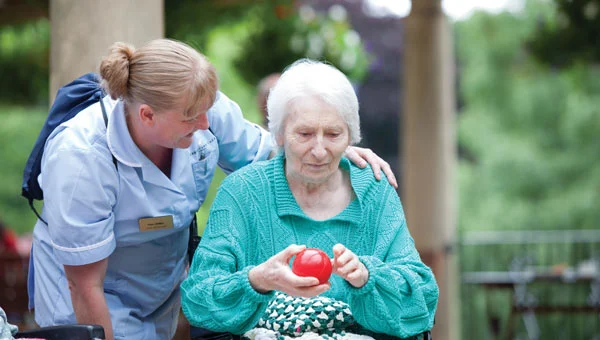
Volunteering benefits both the community and the volunteer. Activities include:
- Animal care – at rescue shelters
- Youth work – with local groups
- Environmental projects – like litter clean-ups
- Homeless support – at shelters
- Mentoring – helping those recently released from prison
- Health work – at hospital information desks
- Elderly assistance – in care homes
Charities That Need Volunteers
- Older people: Age UK
- Child protection: NSPCC (National Society for the Prevention of Cruelty to Children)
- Homelessness support: Crisis and Shelter
- Medical research: Cancer Research UK
- Environmental: National Trust and Friends of the Earth
- Animal care: PDSA (People’s Dispensary for Sick Animals)
Volunteers are needed to support activities and fundraising. Charities often advertise in local newspapers, and most have websites with opportunities. For more information, visit www.doit.life.
Youth Volunteering
Young people can gain experience and accreditation through volunteering schemes:
- National Citizen Service (NCS) for 16- to 17-year-olds: nationalcitizenservice.direct.gov.uk
- England: www.vinspired.com
- Wales: www.volunteering-wales.net
- Scotland: www.vds.org.uk
- Northern Ireland: www.volunteernow.co.uk